




October 12, 2026
Philippines: Flood Control Project Disregards Rights
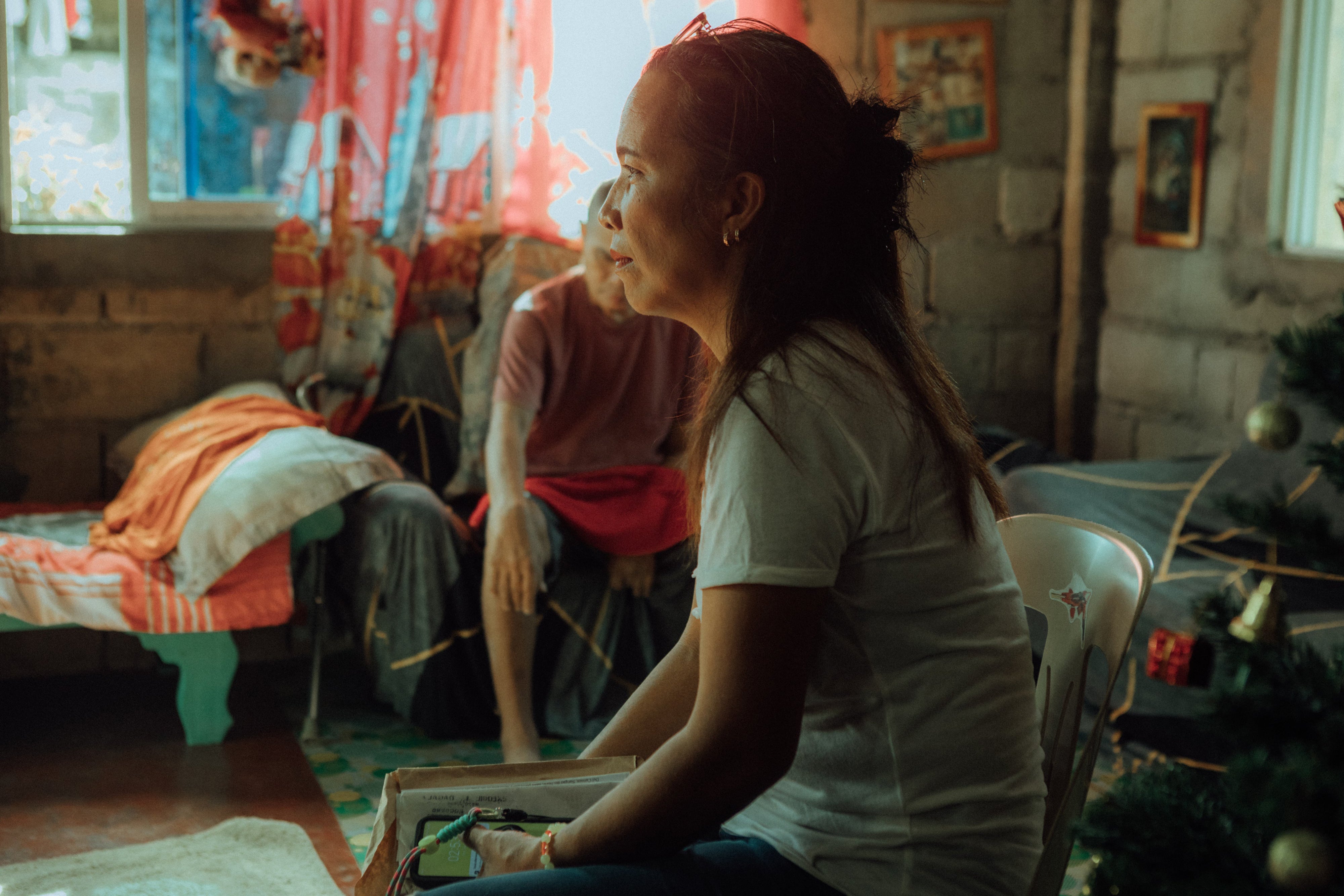
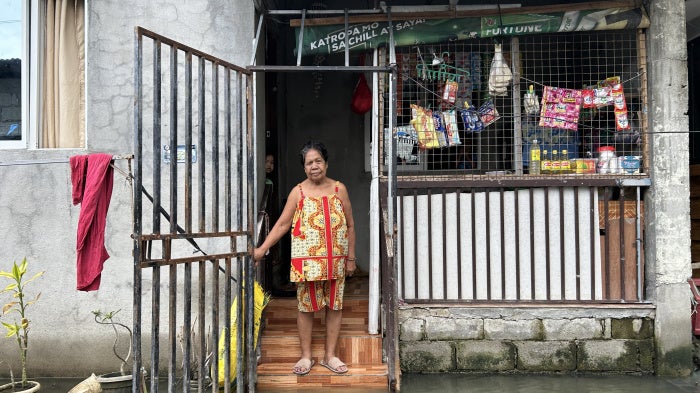
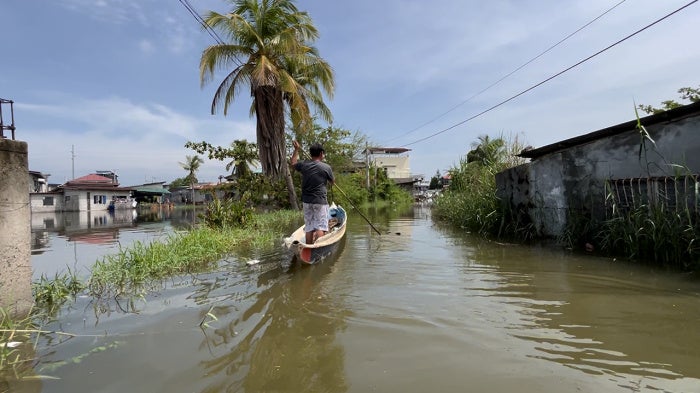
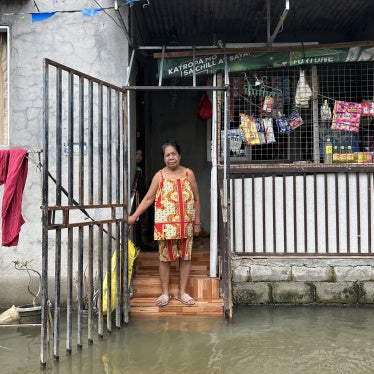
Pampanga Residents Face Flooding, Lack of Livelihoods at Relocation Site
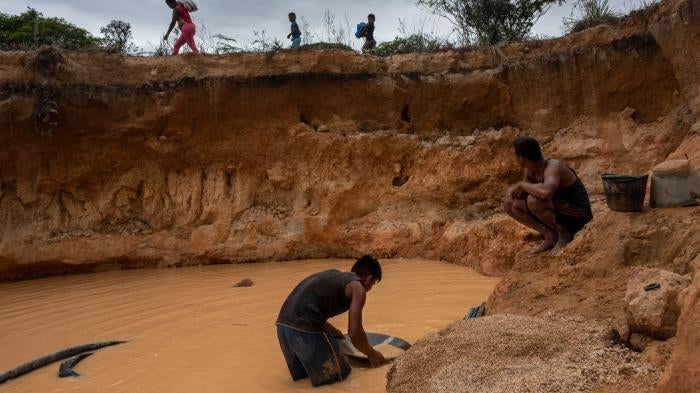
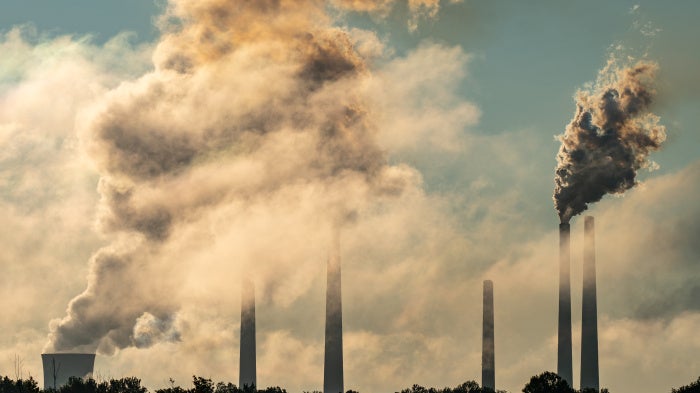
People around the world increasingly experience the devastating effects of environmental crises – from extreme weather, food insecurity, and health issues linked to water and air pollution, to the loss of land, biodiversity, and livelihoods. Inadequate regulation and enforcement of environmentally destructive sectors of the economy – including agricultural commodities, mining, and heavily polluting fossil-fuel industries – drives human rights violations. Governments still fall short of urgent and ambitious actions to keep global warming below 1.5 degree Celsius and prevent further devastation to the global environment. The primary victims of environmental harm are often impoverished and marginalized communities with limited opportunity to meaningfully participate in decision-making and public debate on environmental issues, and have little access to independent courts to achieve accountability and redress. Activists and ordinary citizens defending their rights to land and the environment face intimidation, legal harassment, and deadly violence. Human Rights Watch champions human rights law to force governments to protect people and prevent corporations from continuing to cause extreme environmental degradation.
Pampanga Residents Face Flooding, Lack of Livelihoods at Relocation Site
The Persecution of Environmentalists and Indigenous Leaders in Indonesia
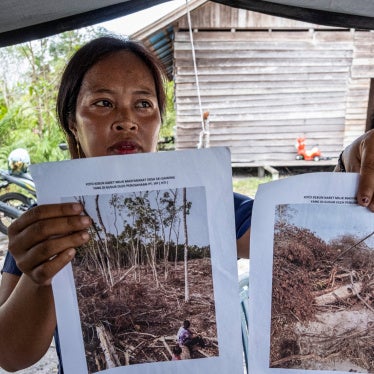
Transparency Needed to Address Health Risks to Nearby Communities
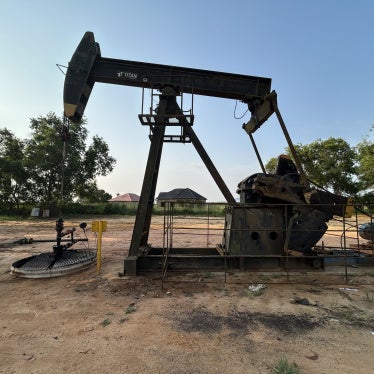
Foreseeable Harm Caused by March 7 Attacks Likely War Crimes
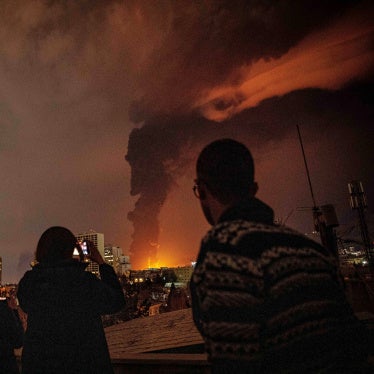
Follow-up to the Urgent Appeal to Free the Five Imprisoned Mother Nature Cambodia Activists
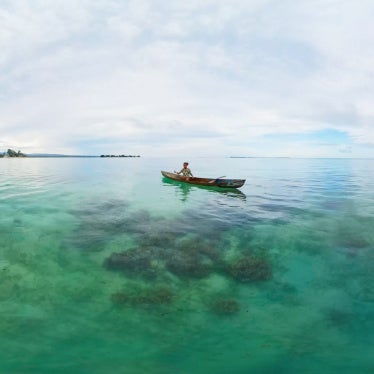
Uphold Rights to a Healthy Environment and Freedoms of Association, Assembly, and Expression
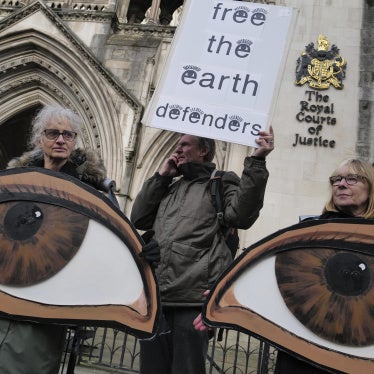
Hydrocarbons Ministry Expects Full Audit of Oil Company by Late September
Activists Targeted for Protesting Land Grabs, Deforestation, Pollution
Immediately Free Can Thi Theu and Other Wrongfully Imprisoned Activists
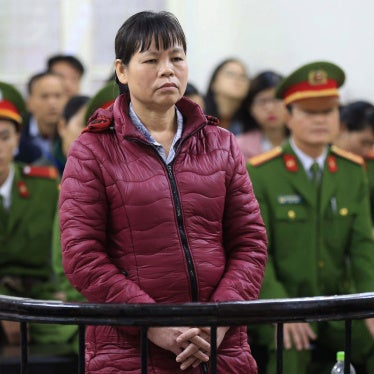
Transparency Needed to Address Health Risks to Nearby Communities
Dismiss Companies’ Baseless Complaints; End Criminal Libel
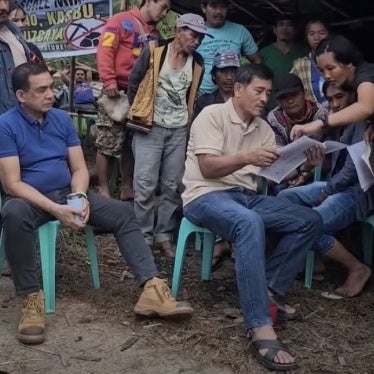
Actor Mark Ruffalo and Human Rights Watch Premiere ‘Solwata’ at Venice Film Festival

Enforce Court Orders to Remove Illegal Occupants Driving Deforestation